
From Goldman Sachs to a forest ashram: Varun Chawla and the build3 Startup Ecoashram
If you’ve been to a build3 evening in Candolim, you’ve probably met Varun Chawla, or at least heard someone mention him. These days he spends his time with first-time founders and on a patch of forest in the Western Ghats. It’s a long way from where he started.
The Goldman years
Varun grew up in a middle-class Punjabi family. He was born in Hyderabad, spent part of his childhood in Saudi Arabia where his parents worked, and went to school in Delhi. He got into Cornell, graduated in 2002 in applied economics and management, and took the job a lot of people his age would have killed for: equity research at Goldman Sachs in New York.
He stayed more than five years, in New York and later Bengaluru. Then it stopped making sense. He has said in interviews that he felt he was “simply trading time for money”, and that most of that time went into making rich people richer. So he bought a one-way ticket home.
Eight companies later
Back in India he started companies in real estate, data and finance. Some flopped. One, a budget-stay site called MyGuestHouse, was bought by MakeMyTrip.
The one most people know is 91springboard, the coworking company he started in 2012 with Anand Vemuri and Pranay Gupta. At its peak it had 18,000-plus members in nine cities, and partnerships with Google, Barclays and the government’s Atal Innovation Mission. By most measures it worked.
Varun wasn’t so sure. The company had drifted towards renting desks to big corporates, which wasn’t what got him excited about it in the first place. He wanted to help early founders, the messy, broke, idea-stage kind. Meanwhile life in the NCR was wearing him down: the pollution, the cost, the burnout. His health took a hit, and so did time with his family.
Goa, and a reset
In 2020, as the pandemic set in, he stepped away from day-to-day work at 91springboard and moved to Goa with his wife and their two daughters.
He went vegan. He started Iyengar yoga and pranayama, tried intermittent fasting, and took a lot of long walks on the beach. He says he felt better within months, physically and otherwise.
He also spent time working out what he actually wanted to do next. He went through the Japanese ikigai exercise, which is roughly: what are you good at, what does the world need, what will someone pay for, and what do you love? The answer kept coming back to the same thing. Sit with early founders and help them figure out the product, the business model and how to sell it.
build3
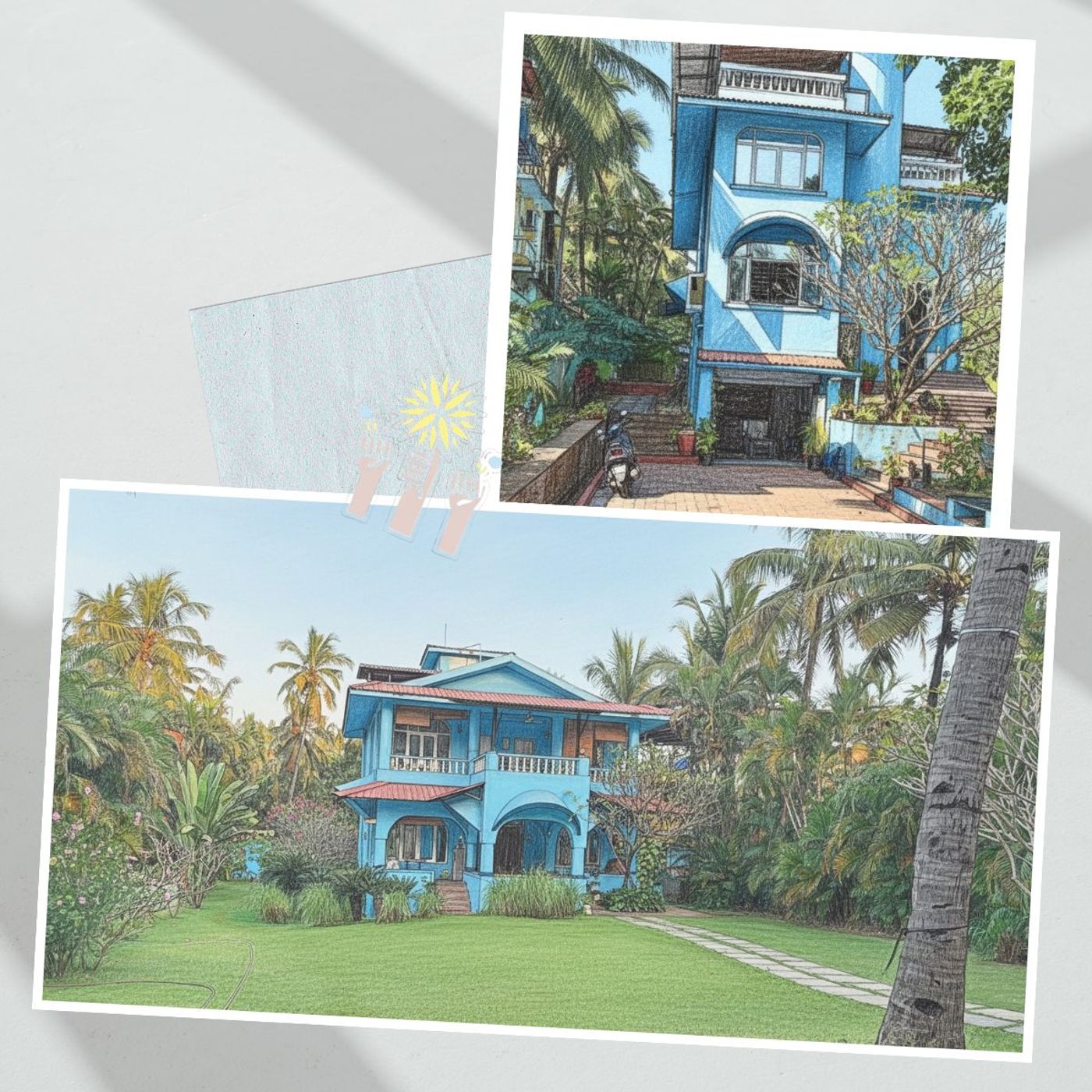
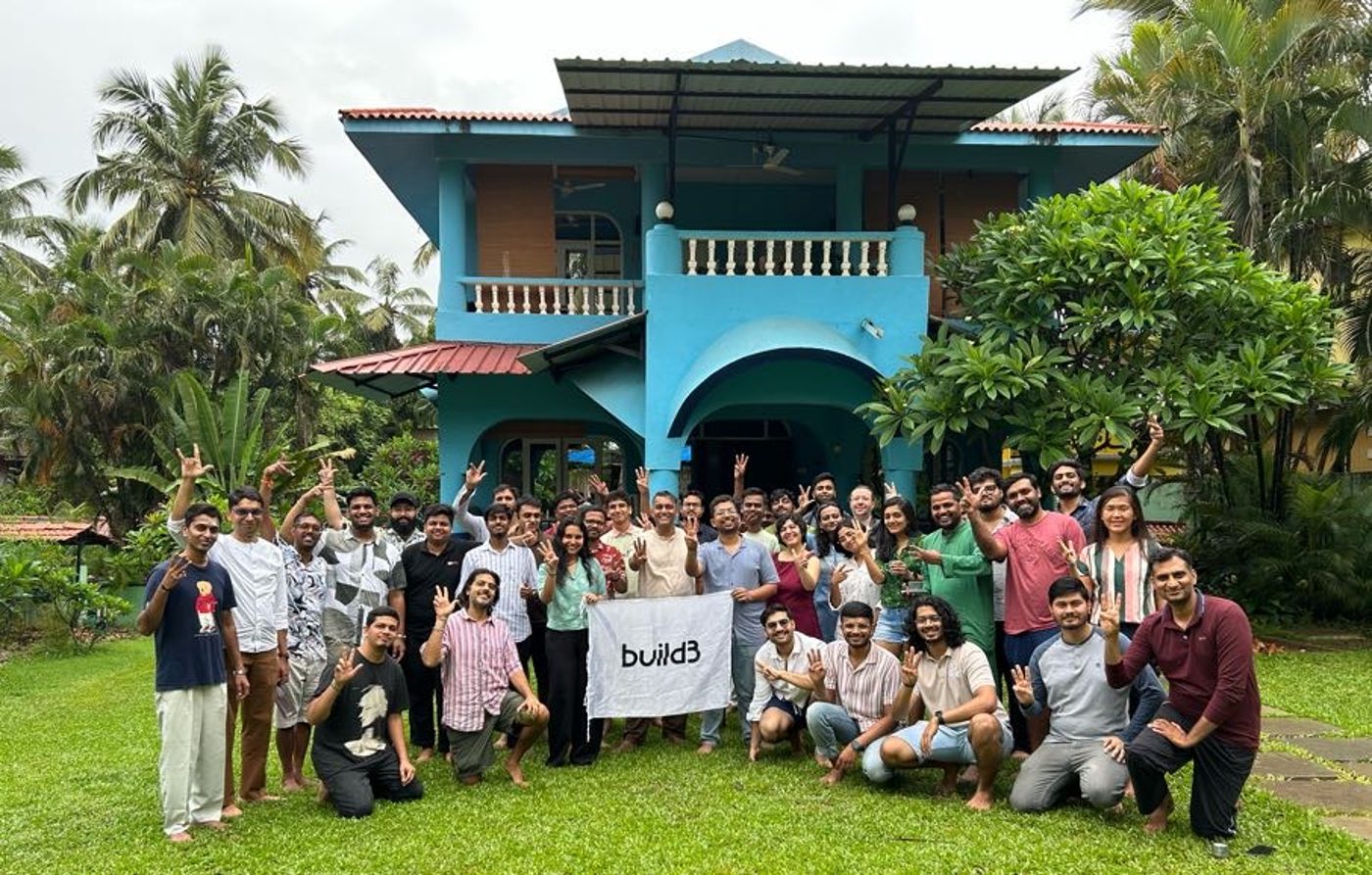
That became build3, a startup studio he set up with Alakshi Tomar and Abhimanyu Rathi. It ran out of a blue villa near Candolim beach, with frangipani trees in the garden, and quickly became one of the easier places in Goa for a founder to walk in and find people to talk to.
build3 only backs companies working on what it calls real human and planetary needs: health, sustainability, food, community. It often comes in before there’s much more than an idea. Its accelerator runs in ten-week cohorts, and the startups picked at demo day get Rs 25 lakh plus up to two years of help afterwards. Five-odd years in, that adds up to more than 40 investments and 400-plus founders mentored. Goa names like NomadGao, Ruby’s Coffee and OneBoard passed through early on.
The way it’s run is a bit unusual too. Varun borrowed heavily from Frederic Laloux’s book Reinventing Organizations, and build3 tries hard to only work with people (investors, mentors, vendors, hires) who share its values. He likes to say the founder is the client, not the investor. “We play a support role,” he told build3’s newsletter. “It is not for our glory.” He calls it his karma yoga.
The ashram
The villa was always meant to be temporary. What Varun really wanted was land.
His argument goes like this. Most startup hubs are built around money, and they come with stress, traffic, bad air and burnout. Put founders somewhere quiet and green, he thinks, and they’ll build better companies and be better people while they’re at it.
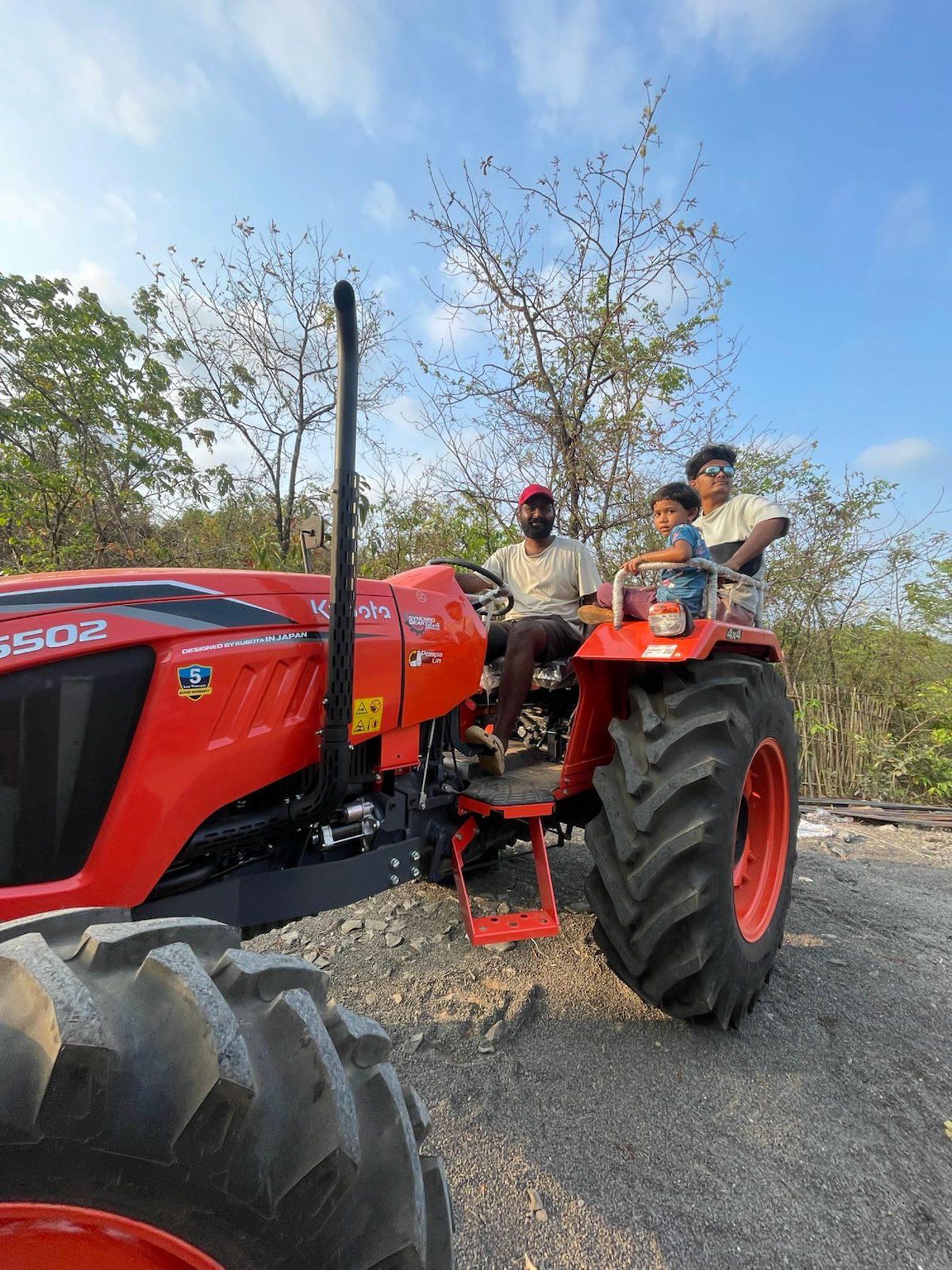
So build3 now holds 30 acres in Sindhudurg, in the Western Ghats, just over the border from Goa. They call it the Startup Ecoashram, and they’re pitching it as the first eco-village designed for founders. Varun has said he doesn’t plan to sell the land in his lifetime.
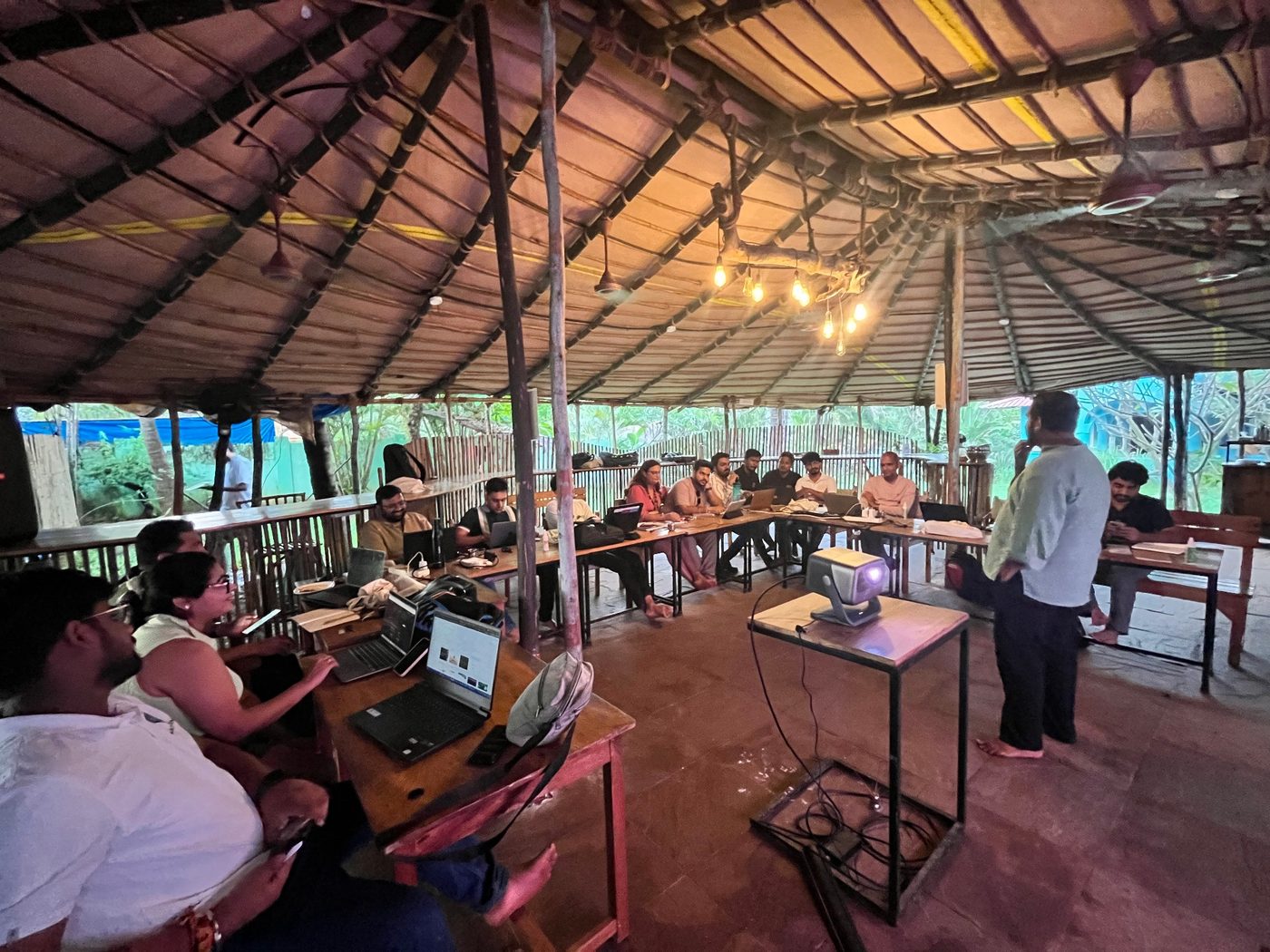
The idea is part startup campus, part village. There are communal farms and a shared kitchen. Buildings use natural materials, and the campus harvests rainwater and runs on solar. Days are meant to have room for work, for being outdoors, and for being alone with your thoughts. Besides the accelerator there are fundraising bootcamps and a retreat for women founders. There’s also a “sevak” option where you put in work in exchange for a cheaper stay.
It’s being built in stages. The first phase is around 15,000 sq ft, and the long-term plan is about 75,000 sq ft over the next few years. Karan Marda is helping lead the project with Varun. Last month the ashram hosted the closing week of build3’s tenth accelerator cohort, and visitors from Edge City India, the three-week pop-up village in Mandrem that build3 helped organise.
People keep asking him whether build3 is meant to be Y Combinator, Stanford or Auroville. His answer is a bit of each. It’s an accelerator like YC, though the cheques are far smaller. Like Stanford, it holds on to its land. And like Auroville, it hopes people will actually live there. “Five years in,” he wrote recently, “we are much closer to the beginning than the middle.”
Why it matters here
For years the Goa story went like this: people came here to slow down, and left when it was time to get serious. Varun is betting it can go the other way, that Goa and the forests behind it can be where serious work gets done.
Will it work? Nobody knows yet, including him. But it’s one of the more interesting things happening on the edge of Goa’s startup scene, and it’s worth a visit if you get the chance.
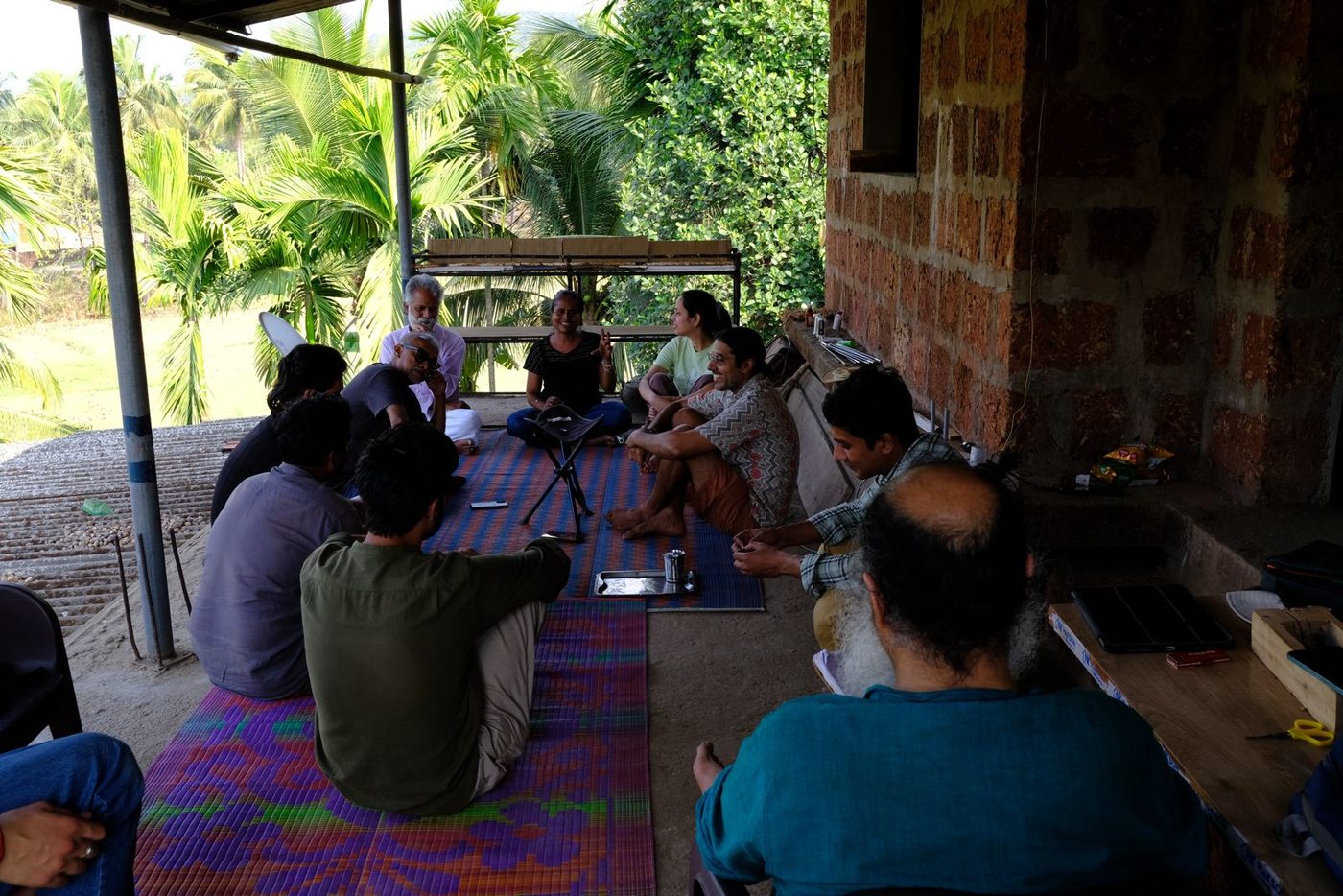
build3 Startup Ecoashram · build3 · Impact Accelerator
Photos: build3 / startupecoashram.build3.org. Background from interviews in The Better India, Startuppedia, build3’s newsletter and The Barefoot VC.
More Goa founder stories: See all our Goa founder profiles and interviews